The Advantages of Static Sites
8/14/2023-1-1024x576.jpg&w=3840&q=75)
If you've read through my pricing information, you've no doubt seen me discussing how updates to your site are handled. For standard sites, I handle updating your content, not just because I want to take that inconvenience off your hands (though that's certainly part of it!) but doing it yourself would require jumping through technical hoops that you're probably not interested in. This is because these standard sites are largely static.
What is a static site?
Static sites describe websites built from unchanging code. The text you are reading on the page is written directly into the source code of the website. This differs from something like WordPress or other another content management system (CMS) where you enter content into a text box or some other input, and it is parsed and rendered as part of a template. For static sites, content is built right into the source code. This means that to change it requires knowing your way around programmer tools like a text editor and version control.
What are the advantages of a static site?
Static sites, while more difficult for the average user to maintain, offer key advantages when it comes to speed. And speed has multiple meanings here, as static sites help not only speed of development but also page speed. Both of these help minimize the investment in terms of cost, and maximize the return in terms of visitors.
Static sites help speed of development because it basically cuts the work in half. Working with a CMS can mean configuring databases, scaffolding out custom content and fields, and a bunch of other work that quickly starts to inflate the budget and push the timeline. By going static, we can quickly deliver feature complete websites at a fraction of the time.
Perhaps more importantly though is the benefit a static site has to page speed. Because platforms like WordPress give you so many tools, they also come with a lot of code to make those tools work. This can have the detrimental impact on how fast your website loads. There is research to show users are likely to leave a website if it takes more than a few seconds to load meaningful content. Not only that, but search engines won't rank your page as highly if it doesn't perform as well. Take a look at the performance for S'more. See those green circles? Those mean that Google is happy with the performance of the page, and therefore more likely to recommend it to users as part of their search results.
But what if I have a lot of content, or just want to handle it myself?
Static sites, while great for smaller brochure or marketing websites, aren't perfect for all use cases. Say you want a blog, or want to have total control over the content of your site without needing to go through me. Well the good news is you don't need to choose between the benefits of static sites and the flexibility of a CMS. The key is using the right tools for the job.
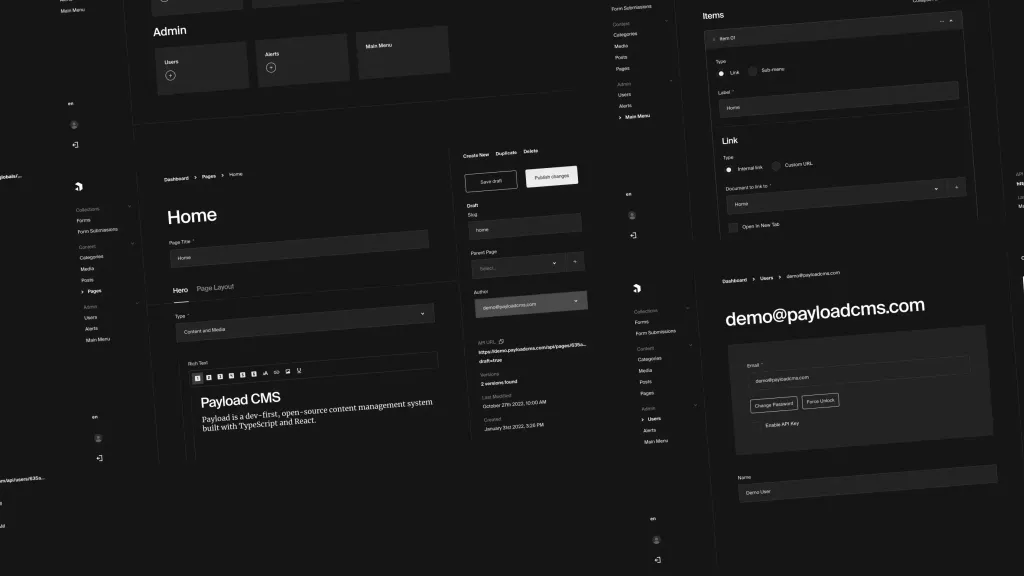
We're happy to offer full featured blogs and other CMS sites powered by Payload. Payload is known as a headless CMS, which while sounding scary, basically means the content is managed on a different website than where it is consumed. This allows you to have a full editing experience, without consequences to page speed. It also just has a really minimal and clean interface that makes updating your content much more enjoyable.
Hooking up something like Payload to your site does add to the budget, taking it from the Standard to the Advanced tier under our pricing. However, you'll end up with a site much faster and more pleasant to use than a standard WordPress setup, and one that I'm confident we can deliver at a very competitive price.
Have more questions? Good! We love talking about this stuff. Hit us up to keep the conversation going.
-1024x576.jpg&w=3840&q=75)